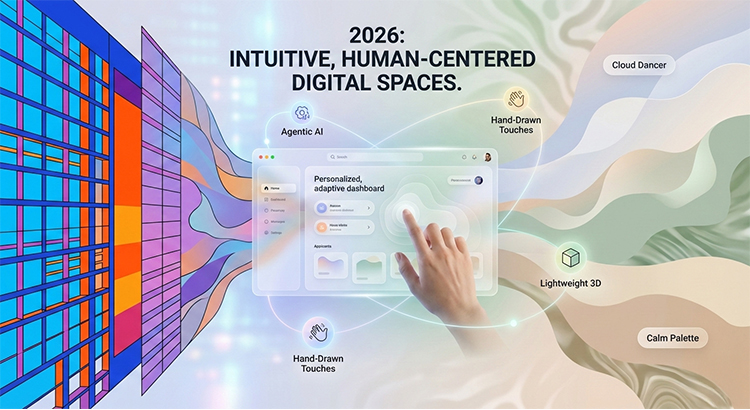
A Glimpse into the Future
The digital landscape is in a constant state of flux, and web design is at the forefront of this evolution. As we peer into the near future, it’s clear that the trends of 2025 will lay the groundwork for the innovations of 2026. Let’s break down some key aspects and see how they might transform.
Color Contrast and Color Palettes
2025: The industry saw a continued emphasis on vibrant, high-contrast color palettes designed to enhance accessibility and create visually striking interfaces. Bold, saturated hues were paired with softer pastels or muted tones to create depth and visual interest. Designers utilized dynamic duotones and striking gradients that guided the user’s eye.
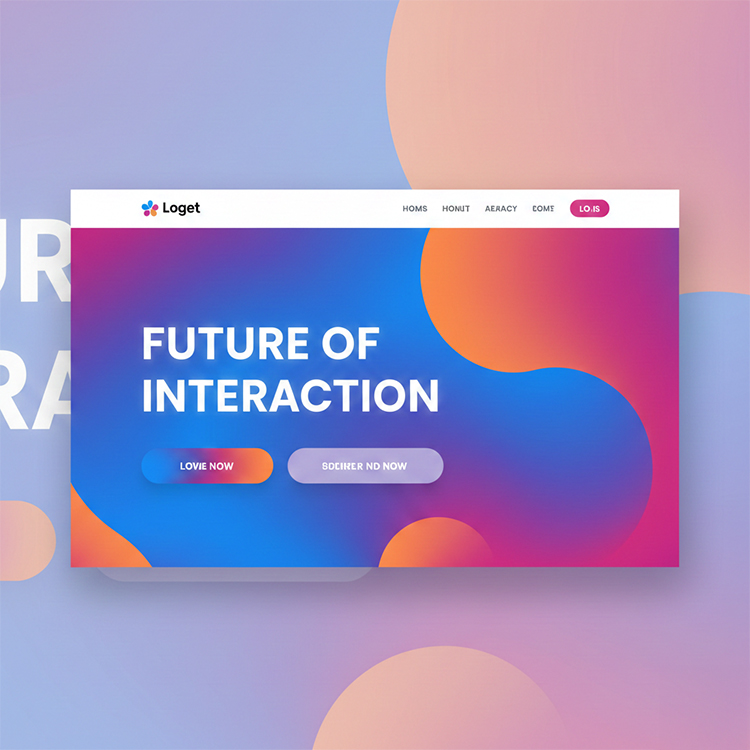
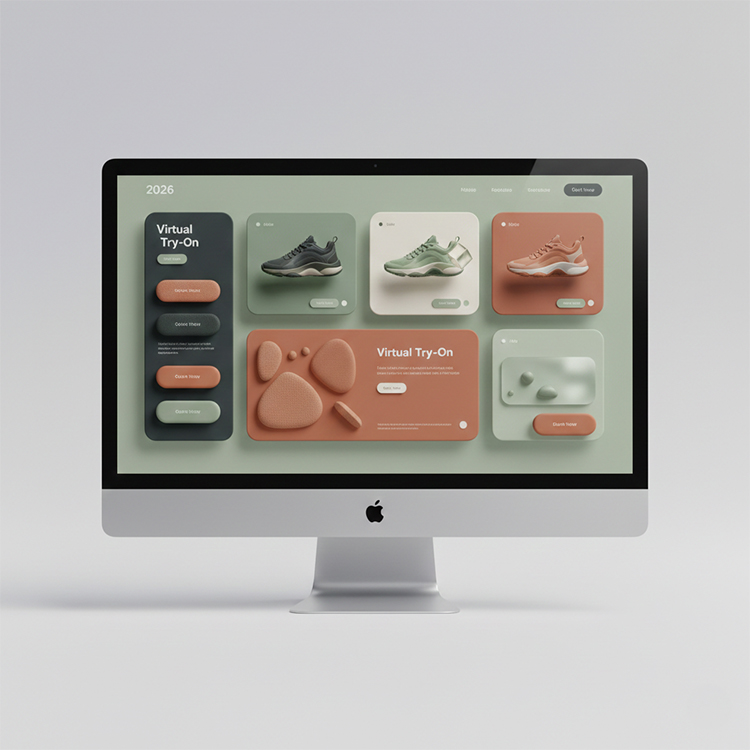
2026: While high contrast remains important, 2026 might see a subtle shift towards more sophisticated, curated palettes. Expect softer, more harmonious color transitions and a greater exploration of analogous and monochromatic schemes with subtle variations in tint and shade. The focus will be on creating immersive and emotionally resonant experiences through color, perhaps with AI-generated palettes tailored to user mood.
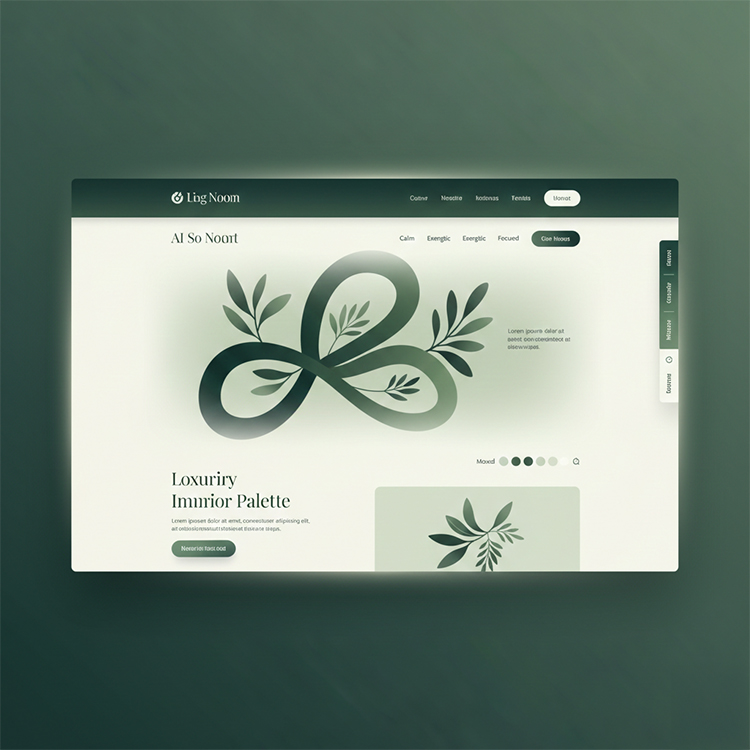
Web design colors in 2026 are all about making people feel comfortable. Instead of loud, eye-grabbing shades everywhere, designers are leaning into calmer palettes that feel clean, open, and easy on the eyes.
That doesn’t mean boring. Soft neutrals are often paired with warm accent colors and layered highlights to add depth and guide attention naturally. These thoughtful color choices reduce visual fatigue and make content easier to enjoy. Multi-tonal palettes are especially popular, blending sophistication with warmth. Pantone’s 2026 Color of the Year, Cloud Dancer, captures this perfectly.
Layouts and Shapes
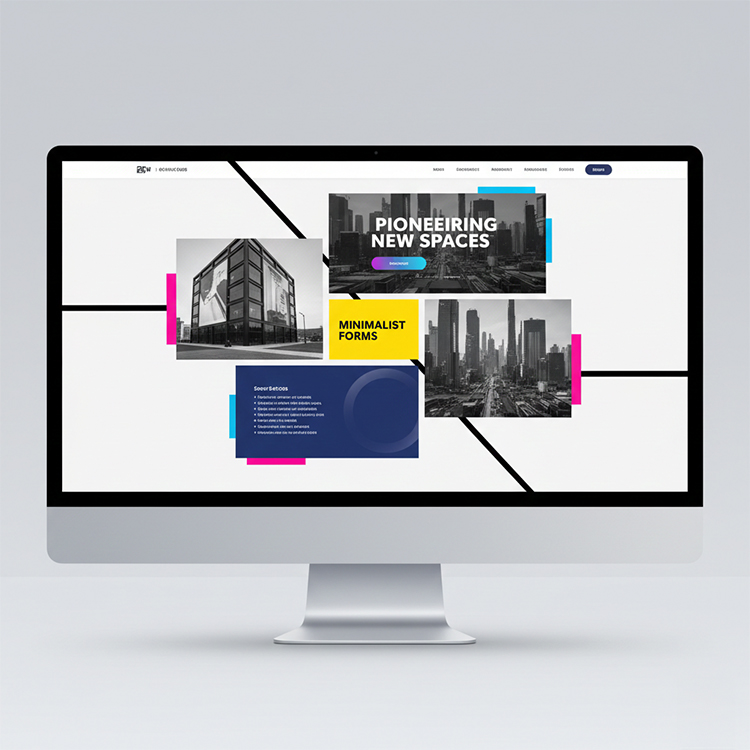
2025: Grid-based layouts remained prevalent, but they evolved with increased flexibility and asymmetry. The industry saw more broken grid designs, overlapping elements, and a creative use of white space that guided the user’s eye and created a clear visual hierarchy. Full-width sections and cinematic scrolling continued to be popular choices for immersive experiences.
In 2025, geometric shapes continued to dominate, but they took on a softer edge. The year was defined by more rounded corners, squircle-like forms, and abstract, organic blobs that added a playful and inviting touch to interfaces. These shapes were used extensively in backgrounds, as containers for content, and as interactive elements.
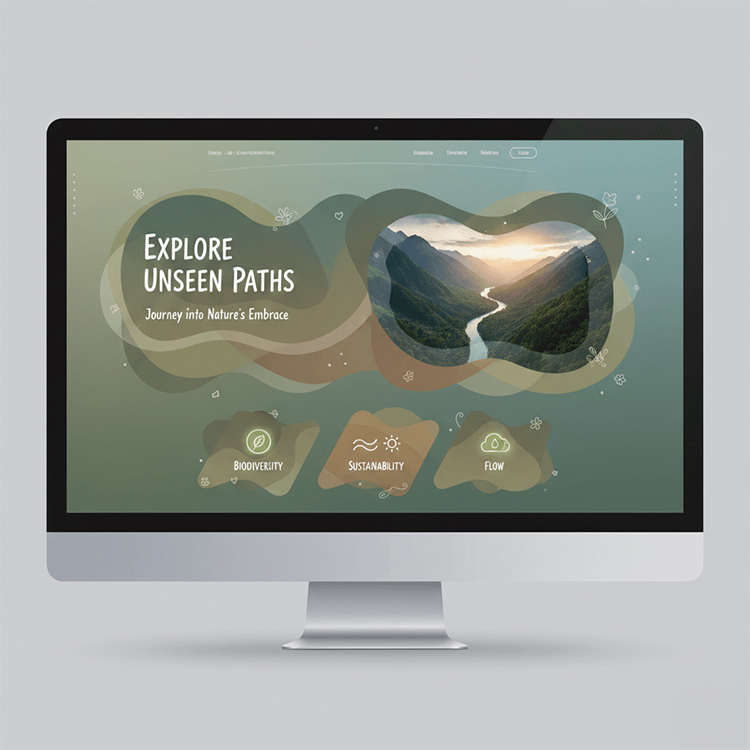
2026: Beyond traditional grids, expect to see the rise of more organic and responsive layouts that adapt not just to screen size, but also to user interaction and content flow. AI-powered layout generation could optimize content presentation in real-time. Expect more fluid, modular designs that prioritize readability and intuitive navigation.
The lines between digital and physical will blur further, leading to more skeuomorphic and tactile shapes that mimic real-world objects, but with a modern, digital twist. Think subtle depth, shadows, and textures that give buttons and cards a more tangible feel. Expect a greater exploration of 3D shapes and interactive forms.
Designers are loosening up. Rigid grids are giving way to more organic layouts with flowing shapes, soft curves, and intentional asymmetry. These designs feel more human and less mechanical.
Why it works: fluid layouts guide the eye gently, create emotional comfort, and help brands feel more expressive. Broken grids, biomorphic shapes, and soft gradients replace box-heavy designs, offering a fresh, less cluttered experience that stands out while still feeling intuitive.

Themes
2025: In 2025, the industry featured a continuation of diverse themes, ranging from minimalist and ultra-clean to bold and expressive. Personalization was key, as users had more control over theme customization than ever before. Brutalist influences were still seen in niche designs, offering a raw, unfiltered aesthetic.
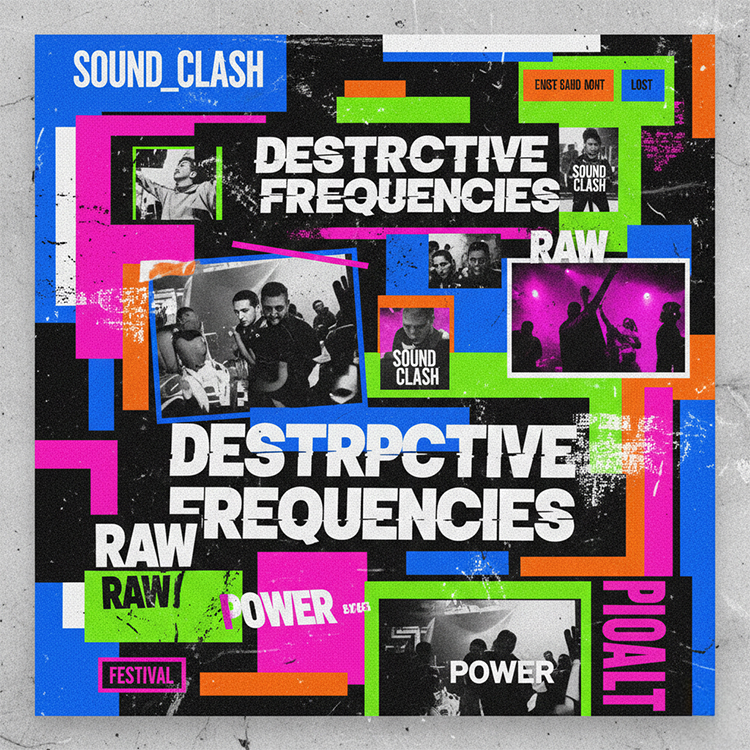
2026: The theme landscape will likely be dominated by adaptive and context-aware designs. Websites will dynamically adjust their themes based on user preferences, time of day, location, and even emotional state, leveraging AI to create truly personalized experiences. Expect more fluidity and less rigid thematic structures. Say goodbye to rigid, boxy layouts. Designers are embracing biomorphic shapes and “broken” grids that feel more organic. By using soft curves and asymmetrical layouts, websites feel less like machines and more like creative, human-centered spaces.

Bento Grid Layouts, Graphic Elements and Icon Styles
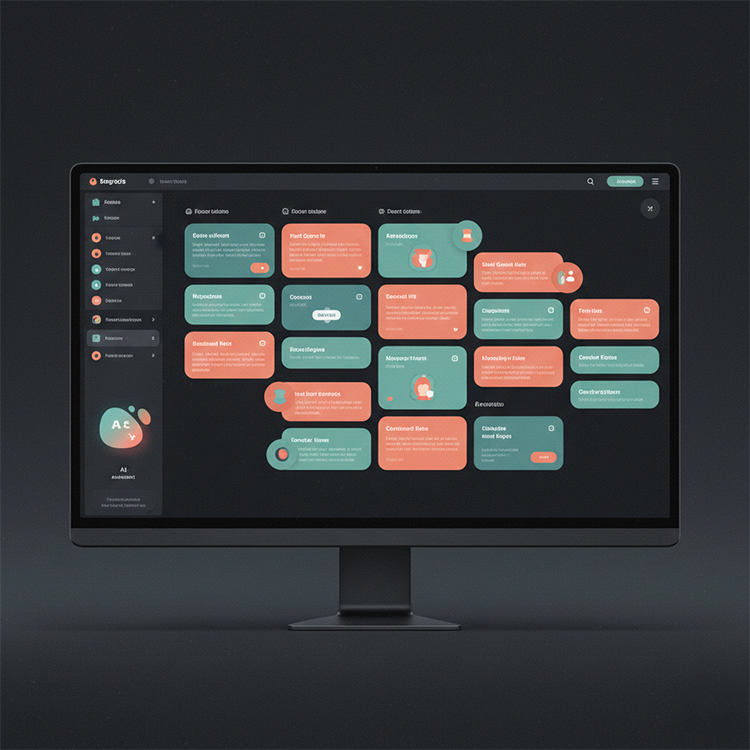
Bento grids are everywhere in 2026 and for good reason. Inspired by Japanese bento boxes, this layout style organizes content into card-like sections of varying sizes. It keeps things structured while still feeling visually interesting.
Bento grids are great for showing different types of content—features, images, testimonials—without overwhelming users. They’re also incredibly responsive, stacking cleanly on mobile.
Best for: Portfolios, SaaS products, e-commerce sites, and content-heavy platforms
Tip: Use CSS Grid or frameworks like Tailwind, vary card sizes for emphasis, and leave plenty of white space.
Typography
2025: In 2025, bold, expressive typography remained a strong trend, featuring a mix of strong sans-serifs for headings and more readable serifs for body text. Variable fonts offered greater flexibility in customization, which allowed designers to fine-tune weight, width, and other attributes for perfect visual harmony.
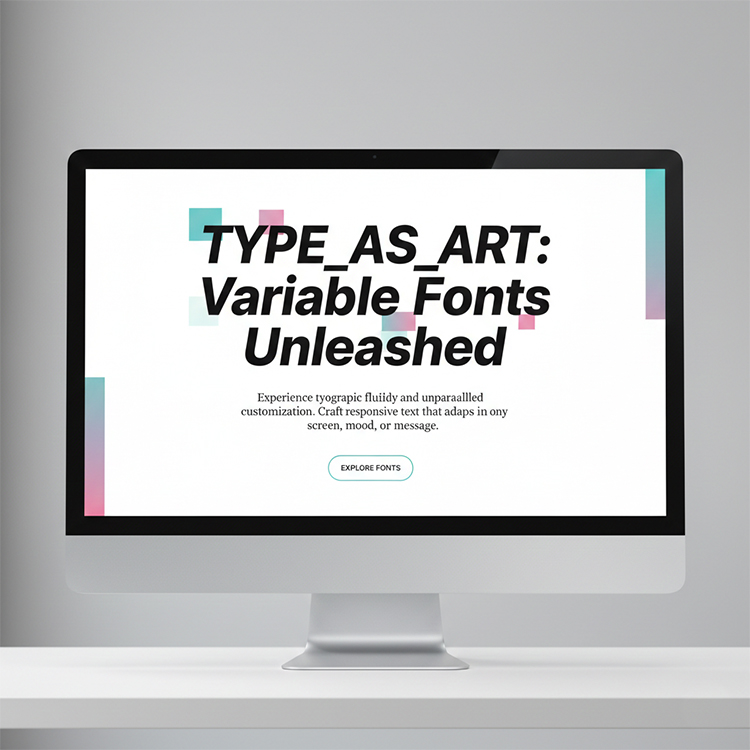
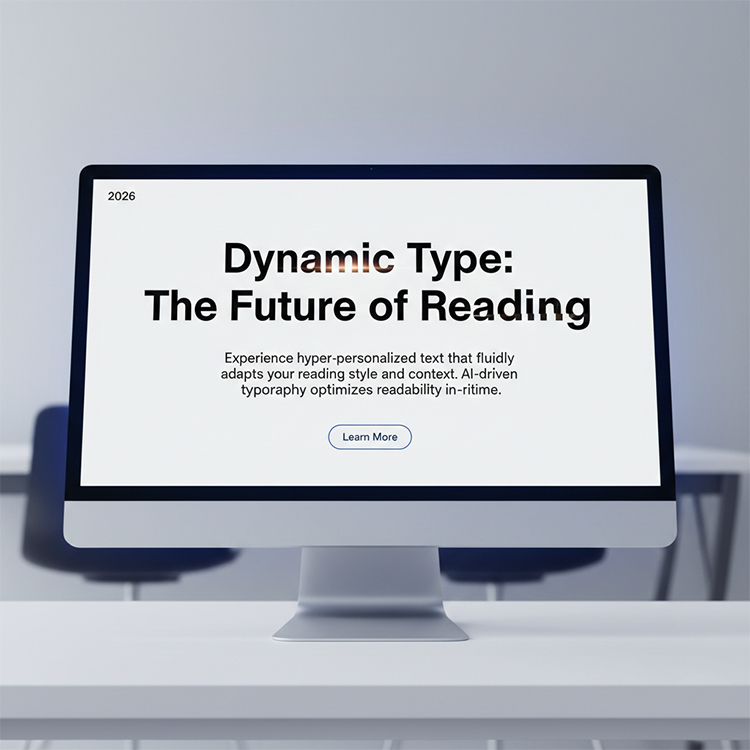
2026: Beyond variable fonts, expect to see more dynamic typography that responds to user interaction or content. Text might subtly change weight, size, or even style based on emphasis or context. Hyper-personalized font choices, potentially guided by AI to optimize readability for individual users, will become more common. Variable fonts are a behind-the-scenes hero of modern web design. Instead of loading multiple font files, one variable font can handle all weights and styles.
Typography takes center stage as a branding tool. Bold headlines, custom fonts, and creative text layouts help communicate personality instantly.
Combined with variable fonts and light animation, expressive typography adds emotion while staying readable across devices. It’s one of the easiest ways for brands to stand out in crowded digital spaces.
This means faster load times and smoother typography that adapts beautifully to different screens. Designers can subtly adjust font weight on hover or optimize text for mobile—without sacrificing speed or style.
Text will no longer be static. Kinetic typography brings words to life through subtle movement like stretching, fading, reacting to scroll, or responding to cursor movement.
In 2026, this trend is less flashy and more intentional. Motion is used to guide attention, emphasize key messages, and create emotional impact without hurting performance. When done right, animated type makes a strong first impression and keeps users engaged.
Glassmorphism & Soft Transparency
Glassmorphism brings a polished, modern feel through translucent layers, gentle blurs, and soft shadows. Think “frosted glass” effects that add depth without heavy borders or bold blocks.
In 2026, this trend helps calm busy layouts while keeping things visually refined. When used thoughtfully, especially with dark mode or gradients, it creates a high-end, tech-forward look that feels light, elegant, and easy to read.
UI/UX Anticipated Changes
2025: User interfaces have been more intuitive and less cluttered, focusing on micro-interactions and subtle feedback. Voice UI integration has been expand beyond simple commands, offering more nuanced conversational experiences. Overall we saw enhanced accessibility features and a greater emphasis on inclusive design practices.

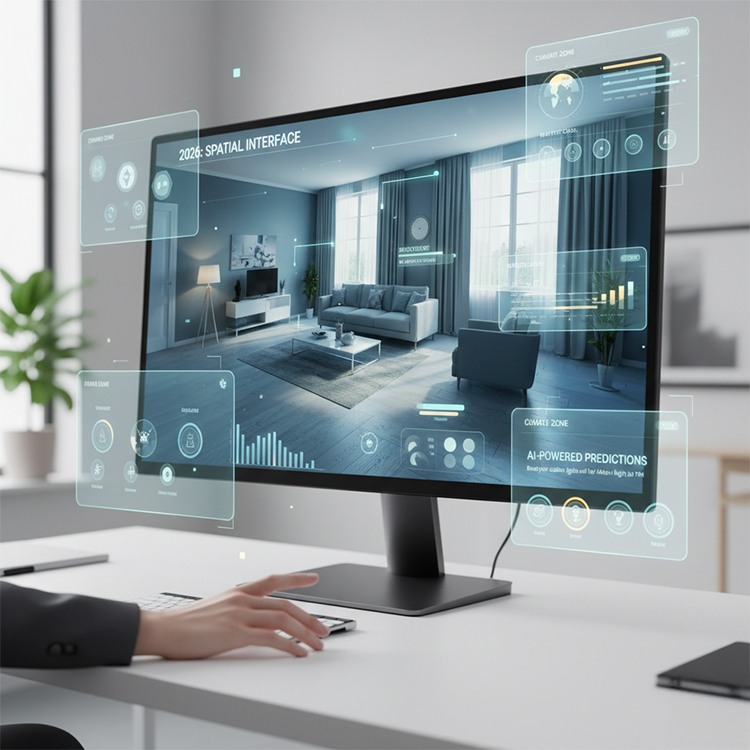
2026: The lines between UI and physical reality will continue to blur with advancements in augmented reality (AR) and mixed reality (MR). Expect more spatial interfaces, where users interact with digital content overlaid onto their physical environment. AI will power predictive interfaces, anticipating user needs and offering seamless, proactive experiences.
Graphics and Photos Aspect Ratio
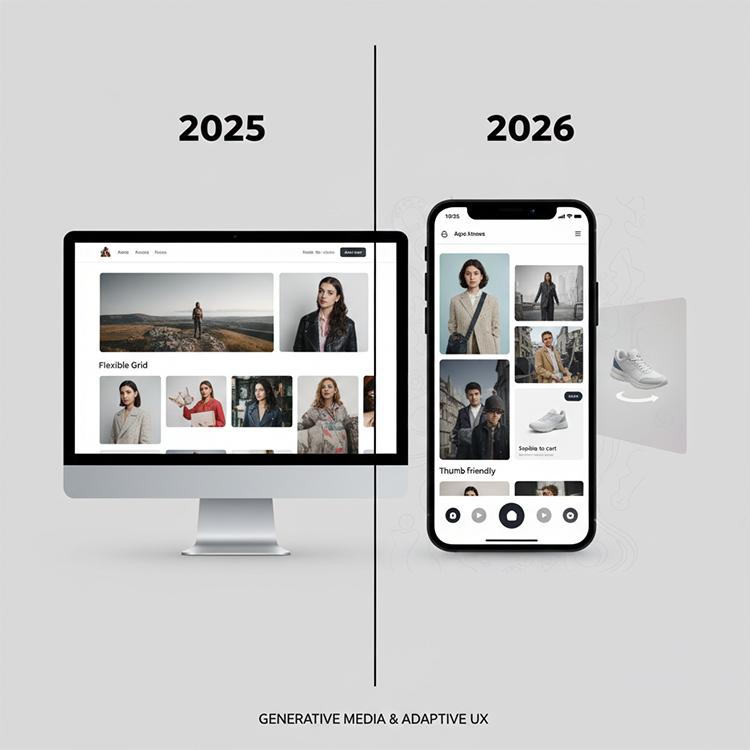
2025: high-resolution photography and vector graphics continued to be essential. We saw more dynamic image displays, where aspect ratios adapted fluidly across devices. The use of cinemagraphs and short video clips was also prevalent to add visual interest and storytelling. Full-bleed hero images remained a popular choice throughout the year.
2026: Beyond traditional static images, generative AI will play a significant role in creating unique and personalized graphics and photos in real-time. Expect more interactive and explorable images, perhaps even 3D models embedded directly into web pages. Aspect ratios will become even more flexible, with content intelligently reflowing to optimize viewing on any display, including holographic projections.
Since most of us are browsing on our phones, vertical photography is king. 2026 design focuses on “thumb-friendly” navigation, making sure the most important buttons are right where your fingers naturally rest.
Agentic AI & Natural Personalization
In 2026, AI isn’t just recommending content—it’s taking action. Agentic AI can qualify leads, book appointments, update content, trigger follow-ups, and optimize workflows automatically.
The key shift? Personalization feels invisible. No flashy pop-ups or gimmicks—just smarter navigation, predictive search, helpful suggestions, and frictionless experiences. When done well, users don’t notice the AI—they just feel like everything works better.
Dark Mode as a Default
Dark mode is no longer optional. It’s expected. Most websites in 2026 offer light and dark themes by default, often matching the user’s device settings automatically.
Thoughtful dark mode designs use rich blacks, soft contrasts, and carefully chosen accents to reduce eye strain and create a premium feel. The result: happier users and longer browsing sessions, especially at night.
Hand-Drawn, Scribbly & Nostalgic Touches
As AI-perfect design becomes more common, brands are leaning into imperfection. Hand-drawn illustrations, doodles, scribble accents, and handwriting-style fonts bring warmth and personality back into web design.
Nostalgic styles (especially early-2000s vibes) are popular, but the real goal is authenticity. These playful details help brands feel approachable, less corporate, and more memorable—like there’s a real human behind the screen.

3D & Immersive Elements
Lightweight 3D is officially mainstream in 2026. Thanks to tools like WebGL and Three.js, designers can add depth, motion, and realism without slowing sites down.
This is especially powerful for product pages, where users can rotate, inspect, and explore items before buying. It builds confidence, reduces hesitation, and makes experiences feel more immersive—all while staying mobile-friendly and fast.
Conclusion
Ultimately, the transition from 2025 to 2026 represents a pivotal shift from bold, experimental interfaces to more intuitive, “invisible” digital experiences. While 2025 laid the groundwork with vibrant contrasts and flexible grids, the coming year is defined by a move toward harmony: blending biomorphic shapes, calm palettes like “Cloud Dancer,” and Agentic AI that anticipates user needs before they are even expressed. This evolution suggests a future where technology no longer competes for our attention through loud visuals, but instead fosters a sense of emotional comfort and seamless functionality through sophisticated, human-centered design.
As we look toward 2026, the digital landscape is successfully bridging the gap between the mechanical and the tactile. By embracing “imperfect” hand-drawn touches and lightweight 3D elements alongside high-tech features like kinetic typography and AR integration, designers are creating spaces that feel both cutting-edge and authentically approachable. For brands, the goal is no longer just to stand out, but to stay relevant by offering personalized, frictionless, and accessible journeys. In this new era, the most successful websites will be those that prioritize the user’s well-being, turning every click into a meaningful and effortless interaction.